Winstrol UK Using the Power of Stanozolol to Unleash Strength

Are you ready to take your bodybuilding journey to the next level? If you're striving for maximum gains and extraordinary results, it's time to discover the power of Winstrol. This blog post will delve into the remarkable benefits and potential of Stanozolol as a bodybuilding supplement, shedding light on how it can help you achieve the physique you've always desired.
When it comes to building lean muscle mass, increasing strength, and boosting performance, this steroid has earned its place as a trusted companion for bodybuilders worldwide. As you continue reading, we will explore the science behind Winstrol's effectiveness and discuss the key reasons why it has become a go-to choice for serious fitness enthusiasts. From accelerated fat loss and enhanced vascularity to improved endurance and muscle definition, this steroid offers a comprehensive package to help you reach your goals.
The Definition of Winstrol
Winstrol, also known by its generic name Stanozolol, is an anabolic steroid that has gained significant popularity among athletes and bodybuilders. Originally developed in the 1960s by Winthrop Laboratories, this steroid has been widely used for various purposes, including performance enhancement and physique improvement.
One defining characteristic of this steroid is its anabolic properties, which promote the growth and development of muscle tissue. It belongs to the class of synthetic steroids known as dihydrotestosterone (DHT) derivatives. Unlike many other anabolic steroids, Winstrol does not convert into estrogen, making it an attractive choice for individuals seeking lean muscle gains without the risk of excessive water retention or estrogen-related side effects.
Stanozolol's primary function revolves around increasing protein synthesis within the body. This process facilitates the generation of new muscle tissue and aids in the repair and recovery of existing muscles. Moreover, it is recognized for its ability to enhance strength, power, and endurance, which can greatly benefit athletes and fitness enthusiasts looking to push their performance limits.
It's important to note that the use of this steroid, like any other performance-enhancing substance, should be approached with caution and under the guidance of a healthcare professional. Misuse or abuse of any steroid can lead to adverse effects on cardiovascular health, liver function, and hormone balance.
Buy real quality Winstrol from trusted source!The History of Winstrol in the UK: How was Winstrol Invented?
The invention of Winstrol, also known as Stanozolol, can be attributed to the pharmaceutical company Winthrop Laboratories. In the early 1960s, a team of scientists and researchers at Winthrop Laboratories sought to develop a synthetic steroid that would possess both anabolic (muscle-building) and androgenic (masculinizing) properties.
The development of this steroid was primarily driven by the desire to create a steroid that could effectively treat a range of medical conditions, including muscle wasting diseases, osteoporosis, and certain types of anemia. Additionally, the researchers aimed to design a steroid that would have less androgenic side effects compared to existing options.
The process of inventing Winstrol involved modifying the structure of the naturally occurring hormone testosterone. By altering the molecular structure, the scientists were able to enhance its anabolic properties while reducing its androgenic effects. Specifically, a modification was made to the A-ring of the testosterone molecule, resulting in the creation of Stanozolol.
Following its successful development, this steroid gained recognition in many countries all over the world, including the UK for its favorable anabolic to androgenic ratio, making it a popular choice among athletes and bodybuilders seeking performance enhancement and muscle growth with minimal side effects. Its reputation as a reliable anabolic steroid has persisted over the years, leading to its continued use in various fields, including sports, fitness, and medical applications.
What are the Common Effects of Winstrol in Bodybuilding
Winstrol, or Stanozolol, is a popular choice among bodybuilders due to its potential effects on physique and performance. Here are some of the common effects of this steroid in bodybuilding:
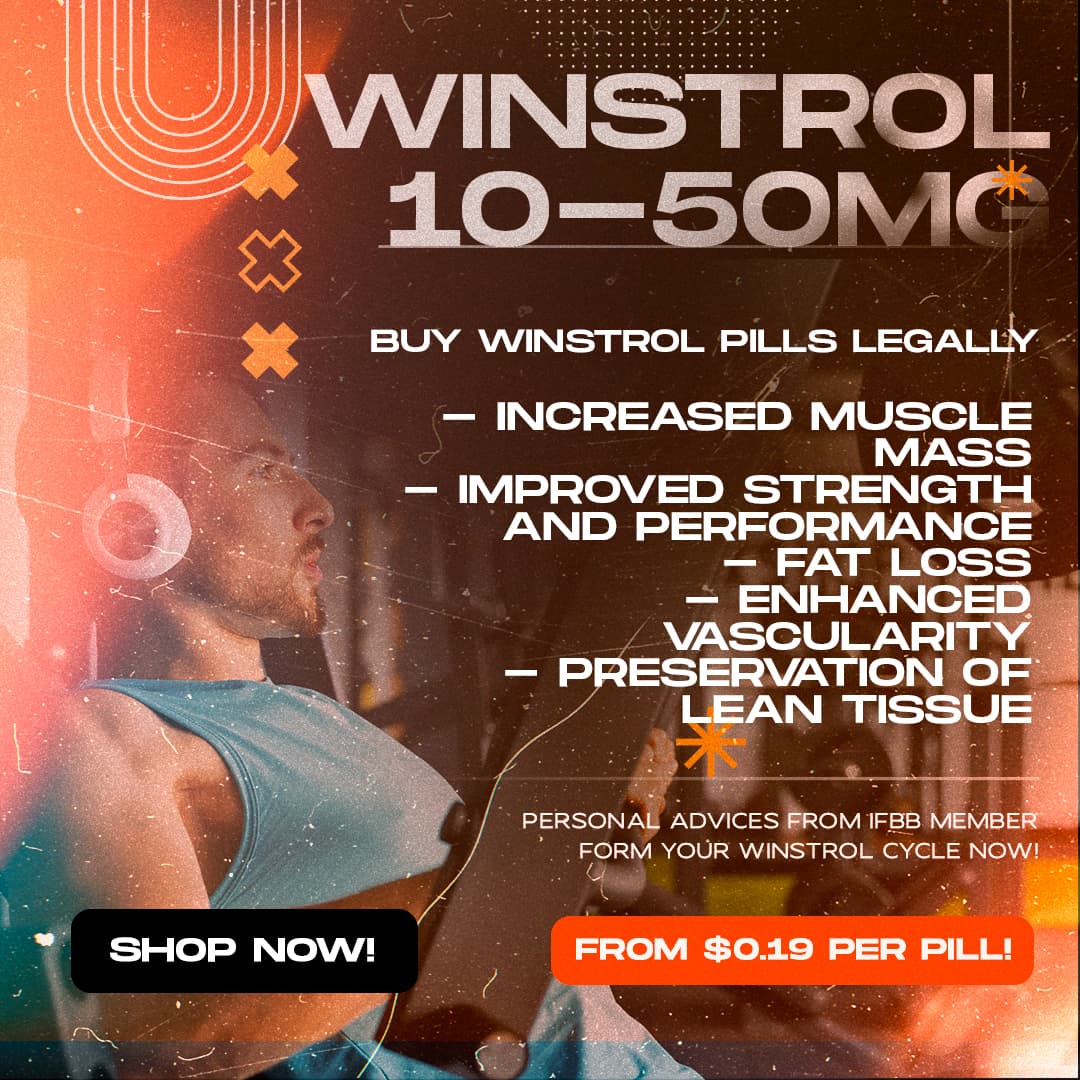
- Increased Muscle Definition: One of the primary reasons bodybuilders use Winstrol is its ability to promote a lean and defined physique. This steroid can help reduce water retention, resulting in a more chiseled appearance with enhanced muscle definition.
- Enhanced Strength and Power: Stanozolol is known to increase strength and power, allowing athletes and bodybuilders to push their limits during workouts. This can lead to more intense training sessions and potentially greater gains in muscle size and performance.
- Preservation of Lean Muscle Mass: During periods of calorie restriction or cutting phases, this steroid can help preserve lean muscle mass. It has the potential to prevent muscle breakdown, enabling individuals to maintain their hard-earned muscle while shedding body fat.
- Improved Vascularity: Winstrol has the ability to enhance vascularity by promoting the development of visible veins. This can contribute to the aesthetic appeal of a well-defined physique and is highly desired by bodybuilders during competition preparation.
- Increased Red Blood Cell Production: Stanozolol stimulates the production of red blood cells, which are responsible for delivering oxygen to the muscles. By increasing red blood cell count, it can also enhance endurance and stamina, allowing athletes to train harder and longer.
Winstrol Oral vs Winstrol Depot: What are the Differences?
When it comes to Winstrol, there are two primary forms available: Oral and Depot (Injectable). While both versions contain the same active ingredient, Stanozolol, they differ in terms of administration and some key characteristics. Understanding the differences between the two versions of the steroid can help you make an informed decision based on your preferences and goals. The table below outlines these variations.
| Characteristic | Winstrol Oral | Winstrol Depot |
|---|---|---|
| Administration | Oral tablets | Injectable solution |
| Half-Life | Approximately 9 hours | Approximately 24 hours |
| Onset of Action | Relatively quick | Gradual |
| Frequency of Administration | Usually taken once a day | Generally administered every other day |
| Water Retention | Less likely | Possible, but less than some other steroids |
| Pain at Injection Site | N/A | Possible discomfort |
| Availability | More widely available | May be less common |

Winstrol Benefits: What Happens Before and After Using Winstrol?
Before and after using Winstrol, individuals may experience a range of benefits that contribute to their physique and performance goals. Here's a breakdown of the potential changes that can occur:
- Increased Muscle Mass: Winstrol has an anabolic effect, meaning it can stimulate muscle growth. When used in conjunction with a proper diet and exercise regimen, individuals may notice an increase in lean muscle mass over time.
- Enhanced Strength and Power: Stanozolol is known to improve strength levels, allowing users to lift heavier weights and perform more intense workouts. This increased strength can lead to enhanced athletic performance and the ability to push through plateaus.
- Improved Muscle Definition: This steroid can help reduce water retention and promote a more dry and vascular appearance. This can lead to enhanced muscle definition, making muscles appear more prominent and well-defined.
- Fat Loss: Winstrol has the potential to aid in fat loss by increasing metabolic rate and promoting the utilization of stored body fat as a fuel source. When combined with a calorie-controlled diet, individuals may experience enhanced fat burning, leading to a leaner physique.
- Enhanced Performance and Endurance: Stanozolol can improve endurance levels by increasing red blood cell production and oxygen-carrying capacity. This can delay fatigue, allowing users to train harder and longer, resulting in improved performance.
- Preserved Lean Muscle Mass: During calorie-restricted periods or cutting phases, this steroid may help preserve lean muscle mass. It can aid in preventing muscle breakdown, allowing individuals to maintain their hard-earned muscle while reducing body fat.
It's important to note that individual experiences may vary, and the results will depend on several factors, including dosage, duration of use, diet, exercise routine, and individual response to the compound. Responsible usage and adherence to recommended guidelines are crucial for maximizing the potential benefits and minimizing the risks associated with Winstrol use.
Winstrol Cycle: Solo Cycle and Stacked Cycles
When incorporating steroids into a bodybuilding or athletic regimen, individuals have two primary options: a Solo Cycle, where a substance is used alone, or Stacked Cycles, where your steroid base is combined with other compounds. Understanding the differences between these two approaches can help individuals make an informed decision based on their goals and preferences. The table below highlights the key characteristics of Winstrol Solo Cycle and Stacked Cycles.
| Characteristic | Winstrol Solo Cycle | Winstrol Stacked Cycles |
|---|---|---|
| Usage | Winstrol used alone | Winstrol combined with other compounds |
| Goal | Lean muscle gains, cutting, and performance enhancement | Varies based on the specific compounds stacked |
| Effectiveness | Can yield significant results | Potential for enhanced results when synergistic compounds are used |
| Potential Side Effects | Minimal when used within recommended dosage and duration | Varies based on the specific compounds stacked |
| Cycle Length | Typically 6-8 weeks | Varies based on the specific compounds stacked |
| Post Cycle Therapy (PCT) | May or may not require PCT, depending on the dosage and duration | May require PCT, especially when stacked with testosterone or other suppressive compounds |
| Customization | Limited to adjusting Winstrol dosage | Opportunity to tailor the stack based on individual goals and preferences |
The Best Winstrol Brands Available in the UK
When it comes to choosing the best Winstrol brands, it's important to prioritize quality, reliability, and safety. Here are some reputable Stanozolol brands that have gained recognition in the market:
- Dragon Pharma: Dragon Pharma is known for producing high-quality anabolic steroids, including Winstrol. They have a strong reputation for manufacturing products that meet stringent quality control standards.
- Meditech Pharma: Meditech Pharma is a well-established pharmaceutical company that offers a range of performance-enhancing drugs. Their Winstrol products are highly regarded for their quality and effectiveness.
- Alpha Pharma: Alpha Pharma is a trusted brand in the field of sports and bodybuilding supplements. They are known for producing pharmaceutical-grade products, including Winstrol, ensuring reliability and potency.
- Maxtreme Pharma: Maxtreme Pharma is recognized for its commitment to producing high-quality steroids. They offer Winstrol products that are widely appreciated for their purity and potency.
- Anabolic Research: Anabolic Research is a reputable brand that focuses on producing legal and safe alternatives to anabolic steroids. They offer Winstrol alternatives that aim to mimic the effects of the compound without the associated risks.
When considering any brand, it's crucial to research and verify the legitimacy of the supplier. Counterfeit or substandard products can pose serious risks to your health. Always purchase from trusted sources, such as licensed pharmacies or reputable online suppliers.
Winstrol Dosage Guidelines
Winstrol should always be used with caution and under the guidance of a healthcare professional. The dosage guidelines for this steroid can vary depending on factors such as individual goals, experience level, and tolerance. It's important to note that the information provided here is for general reference only, and it's crucial to consult with a healthcare professional before starting any Stanozolol regimen. They can provide personalized recommendations based on your specific circumstances.
For oral Winstrol:
- For men: The typical dosage range for men is 25-50mg per day. This can be divided into multiple doses throughout the day.
- For women: Due to the potential virilizing effects, women are generally advised to use a lower dosage of around 5-10mg per day. Again, this can be split into smaller doses.
For injectable Winstrol (Winstrol Depot):
- For men: The typical dosage range for men is 50mg every other day or every two days. This allows for a more stable blood concentration while minimizing the risk of side effects.
- For women: Similar to oral Winstrol, women are advised to use a lower dosage of around 10-20mg every other day or every two days.
It's worth noting that Winstrol cycles are typically limited to 6-8 weeks to minimize potential risks and side effects. Additionally, post-cycle therapy (PCT) may be necessary after using Stanozolol to help restore natural hormone production.
Again, it's essential to consult with a healthcare professional who can evaluate your specific situation, consider any underlying health conditions, and provide the most appropriate dosage recommendations for your needs.
Choose your Winstrol from 5 famous steroids brands nowWinstrol for Males vs Winstrol for Women
When it comes to steroid usage, it's important to consider the differing needs and potential effects for males and females. Winstrol, or Stanozolol, can have varying impacts depending on biological factors and individual goals. The table below outlines the key considerations when using this steroid for males and females.
| Considerations | Winstrol for Males | Winstrol for Women |
|---|---|---|
| Recommended Dosage | 25-50mg per day (oral) 50mg every other day (injectable) |
5-10mg per day (oral) 10-20mg every other day (injectable) |
| Virilizing Effects | Potential for virilization at higher dosages | Risk of virilization at lower dosages |
| Potential Benefits | Lean muscle growth, strength enhancement, performance improvement | Lean muscle growth, strength enhancement, performance improvement |
| Side Effects | Possible androgenic side effects, cardiovascular risks | Possible androgenic side effects, cardiovascular risks |
| Cycle Length | Typically 6-8 weeks | Typically 4-6 weeks |
| Post-Cycle Therapy (PCT) | May require PCT depending on dosage and duration | May require PCT depending on dosage and duration |
| Professional Guidance | Consult with healthcare professional or experienced trainer | Consult with healthcare professional or experienced trainer |
Common Mistakes when Using Winstrol
When using Winstrol, it's essential to approach its usage with caution and adhere to recommended guidelines. Here are some common mistakes to avoid when using this steroid:
- Neglecting to Consult a Healthcare Professional: It is crucial to consult with a healthcare professional before starting any steroid regimen. They can assess your overall health, provide personalized advice, and help determine if Winstrol is suitable for you. Skipping this step can lead to potential health risks.
- Incorrect Dosage: Taking too high of a dosage or exceeding the recommended duration can increase the risk of adverse side effects. Conversely, using Stanozolol at very low dosages may not yield the desired results. It's important to follow the prescribed dosage and cycle length specific to your needs.
- Lack of Post-Cycle Therapy (PCT): Winstrol, like other anabolic steroids, can suppress natural testosterone production. Neglecting to implement a proper post-cycle therapy can hinder the body's ability to recover hormone levels, potentially leading to unwanted side effects and hormonal imbalances.
- Not Monitoring for Side Effects: Every individual may respond differently to this steroid. It's important to monitor for any potential side effects such as liver strain, cardiovascular issues, or androgenic effects. Regular check-ups and blood tests can help detect and manage any adverse reactions.
- Poor Diet and Training: Relying solely on Winstrol without adequate nutrition and training may limit the effectiveness of the compound. This, or any steroid, is not a magic solution for physique enhancement. It should be complemented with a well-balanced diet, proper hydration, and a suitable training program to maximize results.
- Ignoring Liver Health: Stanozolol, especially when used orally, can place strain on the liver. It's crucial to prioritize liver health by avoiding excessive alcohol consumption, limiting the use of other hepatotoxic substances, and considering liver support supplements during Winstrol cycles.
- Inconsistent Training and Recovery: Consistency in training and allowing sufficient time for recovery is key when using Stanozolol. Neglecting proper rest and recovery can increase the risk of injuries and hinder progress.
The Legal Status of Winstrol in the UK
In the United Kingdom, the legal status of Winstrol is categorized as a controlled substance. This means that it is classified as a Schedule III drug under the Controlled Substances Act (CSA).
As a Schedule III substance, Stanozolol is considered to have a potential for abuse, but it also has recognized medical uses. Its medical uses include treating certain medical conditions such as hereditary angioedema and anemia. However, the use of Winstrol for bodybuilding or performance-enhancing purposes is not approved by the U.S. Food and Drug Administration (FDA).
The possession, use, or distribution of this steroid without a valid prescription from a licensed healthcare professional is illegal in the United States and in the United Kingdom. Violation of the law can result in legal consequences, including fines and potential imprisonment. It's important to note that laws regarding controlled substances can vary by state, so it's advisable to consult local regulations for specific information.
Moreover, it's worth mentioning that there are legal alternatives to Winstrol available on the market. These alternatives aim to provide similar effects to Stanozolol but are formulated with natural ingredients and are marketed as legal supplements. These legal alternatives can be purchased without a prescription and are intended for use as dietary supplements to support fitness goals.
It is always recommended to stay informed about the legal status of substances in your jurisdiction and to consult with a healthcare professional for personalized guidance on the appropriate and legal use of any medication or supplement.
How to Legally Purchase Winstrol
It's important to note that in the UK, Winstrol is classified as a controlled substance and can only be legally obtained with a valid prescription from a licensed healthcare professional for approved medical purposes. Purchasing this steroid without a prescription is illegal and can lead to legal consequences.
However, if you have a valid prescription for Stanozolol, you can legally purchase it from a licensed pharmacy or a reputable brick-and-mortar pharmacy. Your healthcare professional can guide you on where to find a legitimate pharmacy to fill your prescription.
When it comes to finding authentic Winstrol, it's crucial to be cautious and diligent to ensure the quality and legitimacy of the product. Here are some tips to consider:
- Obtain a Prescription: The most secure and legal way to obtain authentic Winstrol is through a valid prescription from a licensed healthcare professional. This ensures that you are receiving a genuine product that meets quality standards.
- Research Reputable Manufacturers: Look for reputable pharmaceutical companies that produce Stanozolol. Established and well-known manufacturers are more likely to produce authentic and high-quality products. Research the manufacturer's background, reputation, and adherence to quality control standards.
- Seek Licensed Pharmacies: If you have a valid prescription, ensure that you purchase Winstrol from a licensed pharmacy. Licensed pharmacies are regulated and are more likely to provide genuine medications.
- Avoid Illegitimate Sources: Be cautious of sources offering this steroid without a prescription or from unverified and untrustworthy online platforms. Illicit sources may sell counterfeit or substandard products that can be ineffective or harmful to your health.
- Seek Professional Guidance: Consult with a healthcare professional or trusted fitness expert who can provide guidance on reputable sources or recommend alternative legal supplements that may help you achieve your goals.
When considering online sources, it is essential to exercise extra caution due to the prevalence of counterfeit and unregulated products. If you choose to explore online options, here are some guidelines:
- Look for Verified Websites: Purchase from reputable online pharmacies or retailers that require a valid prescription and have stringent verification processes.
- Check for Certifications: Look for websites that display certifications, such as Verified Internet Pharmacy Practice Sites (VIPPS) or Verified-Accredited Wholesale Distributors (VAWD), which indicate that the online pharmacy meets specific quality and safety standards.
- Read Reviews and Feedback: Research customer reviews and feedback about the online source to assess their reputation and reliability.
- Avoid Suspiciously Low Prices: If the price of Winstrol appears too good to be true, it may indicate a counterfeit or low-quality product. Exercise caution and prioritize quality over price.
Conclusion: Bulk Up Efficiently with Winstrol
Winstrol can be a valuable tool for individuals looking to bulk up efficiently. With its anabolic properties and potential benefits such as increased muscle mass, enhanced strength, improved muscle definition, and fat loss, Stanozolol has gained popularity among bodybuilders and athletes.
Q: Is Winstrol suitable for enhancing athletic performance in non-competitive settings?
A: Yes, Winstrol can be used to enhance athletic performance even in non-competitive settings. Its ability to increase strength, endurance, and muscle hardness can benefit individuals engaged in recreational sports, fitness activities, or personal fitness goals.
Q: Can Winstrol be used for joint pain relief?
A: Winstrol is sometimes used off-label for joint pain relief. It has been reported to provide a lubricating effect on joints, potentially reducing discomfort. However, it is important to note that scientific evidence supporting this use is limited, and it is advisable to consult with a healthcare professional for appropriate treatment options for joint pain.
Q: Can Winstrol be used as a pre-contest drug for bodybuilders?
A: Yes, Winstrol is commonly used as a pre-contest drug by bodybuilders. Its ability to promote muscle hardness, vascularity, and a dry appearance makes it popular for enhancing physique aesthetics during the final stages of competition preparation.
Q: Are there any specific dietary considerations while using Winstrol?
A: While using Winstrol, it is important to prioritize a balanced diet that supports your goals. Adequate protein intake is crucial to aid in muscle preservation and repair. Additionally, maintaining proper hydration and consuming essential nutrients, vitamins, and minerals are important for overall health and performance optimization while using Winstrol. Consulting with a nutritionist or dietitian can be beneficial for tailoring a diet plan to your specific needs.